On June 9th, 2020 the Baldwin Hills Greenhouse Program wrapped up its 12th school year. Despite incredibly challenging circumstances during the spring, Greenhouse Interns did their best to see their projects through to completion. … Each year, we publish the research abstracts in an effort to share the knowledge gained with a broader audience and to acknowledge the interns’ hard work and commitment. This year’s projects include both qualitative and quantitative approaches to better understanding humans and nature in our city.
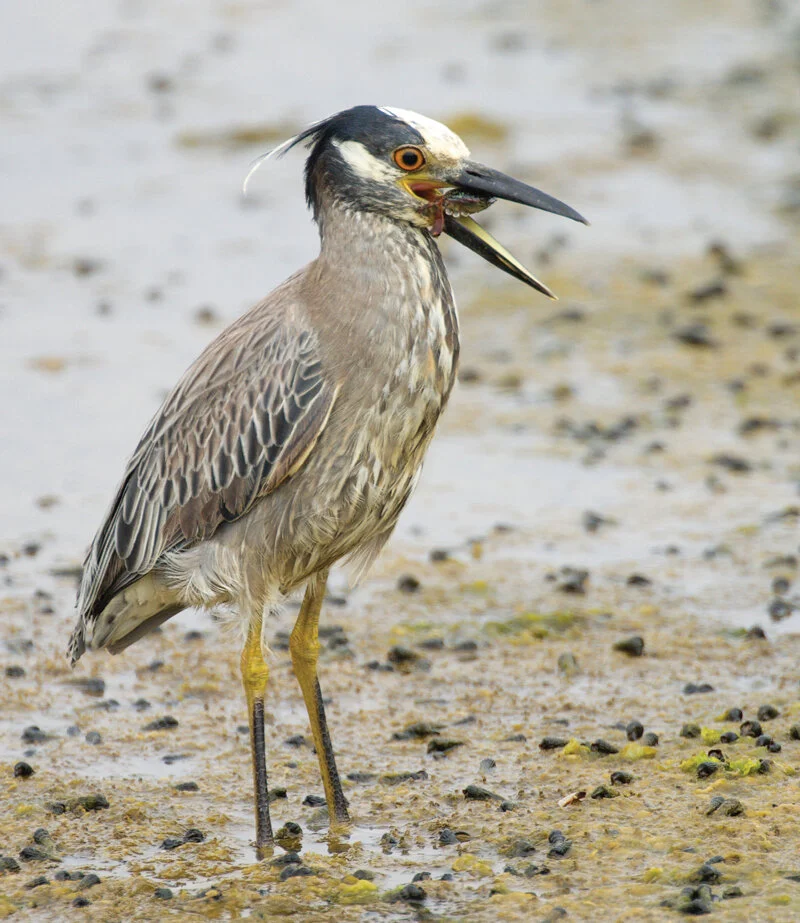
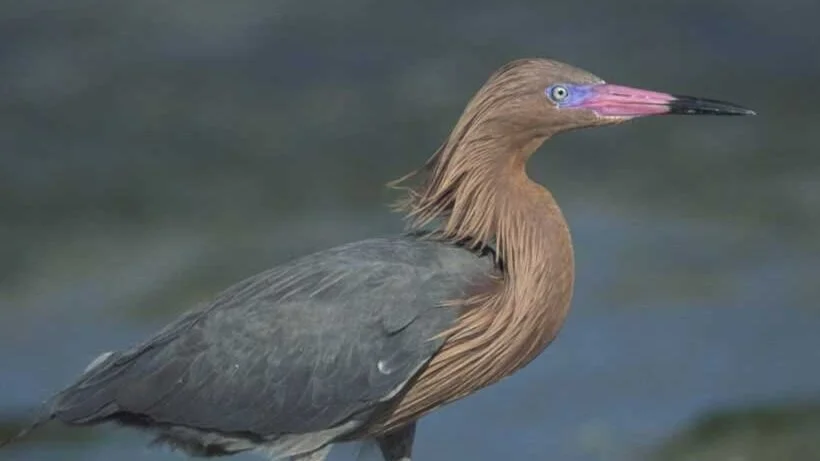
Rare Bird Alert - August 28, 2020
OUTDOOR EDUCATION: More on Perspective
The year 2020 has been rife with events unlike any that we have ever seen. Our way of life from a mere six months ago has changed in many new and challenging ways. Lots of new nomenclature is also popping up in the language that we use: compliance, non-compliance, rate per 100,000, unprecedented, synchronous, asynchronous, pandemic—the list goes on and on.
TWO BOOK REVIEWS: A History of the World in 12 Maps & Underland: A Deep Time Journey
Google Earth is the last of the 12 maps that Jerry Brotton covers in his monumental A History of the World in 12 Maps, and his initial description is reverential: “This is the geographer’s ultimate object of study, an image of the whole earth.”
Macfarlane’s conception of the underland is complex - un-bound by the typical images of caves and tunnels. The underland is a place of “deep time”, a place of “epochs and aeons.” It is a place where humanity represents just a blip in the grand history of the earth, and where its memories are kept hidden. It is a place where strange, old things are buried - and from which these things are emerging, with the advent of the Anthropocene. It is precisely because we are being confronted with the underland that Macfarlane has chosen to write about it.